.png)
Discover the Benefits of Herbal Tea for Wellness
- Charles Simmons
- Jan 23
- 4 min read

Herbal tea has been cherished for centuries, not just for its delightful flavors but also for its myriad health benefits. As more people turn to natural remedies for wellness, herbal tea stands out as a simple yet effective choice. Whether you're looking to boost your immune system, improve digestion, or simply unwind after a long day, herbal tea can be a powerful ally in your wellness journey.
What is Herbal Tea?
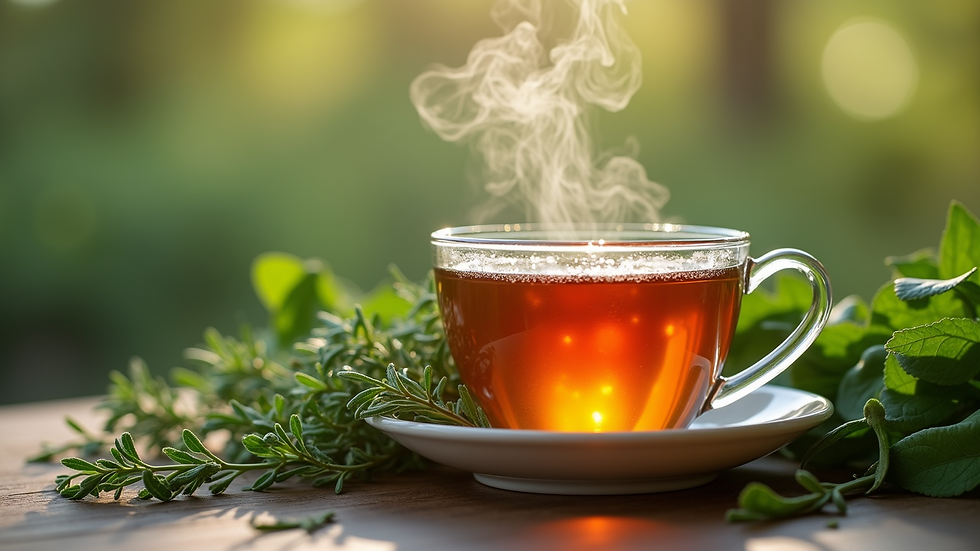
Herbal tea, often referred to as a tisane, is made from the infusion of herbs, spices, flowers, or fruits in hot water. Unlike traditional tea, which comes from the Camellia sinensis plant, herbal teas can be made from a wide variety of plants, making them caffeine-free and suitable for all ages.
Types of Herbal Tea
There are countless varieties of herbal teas, each with unique flavors and health benefits. Here are some popular types:
Chamomile: Known for its calming properties, chamomile tea is often used to promote sleep and reduce anxiety.
Peppermint: This refreshing tea aids digestion and can help relieve headaches.
Ginger: A warming tea that can help with nausea and inflammation.
Hibiscus: Rich in antioxidants, hibiscus tea may help lower blood pressure and improve heart health.
Rooibos: A naturally sweet tea that is high in antioxidants and can support skin health.
Health Benefits of Herbal Tea
1. Boosts Immune System
Herbal teas are packed with antioxidants and vitamins that can help strengthen your immune system. For example, echinacea tea is known for its immune-boosting properties, making it a popular choice during cold and flu season. Regular consumption of herbal teas can help your body fight off infections and illnesses.
2. Aids Digestion
Many herbal teas are known for their digestive benefits. Peppermint tea can soothe an upset stomach, while ginger tea can help alleviate nausea and bloating. Fennel tea is another excellent option, as it can help reduce gas and improve overall digestive health.
3. Promotes Relaxation and Sleep
If you struggle with stress or insomnia, herbal teas can be a natural remedy. Chamomile tea is widely recognized for its calming effects, making it a perfect bedtime beverage. Valerian root tea is another option that may help improve sleep quality and reduce anxiety.
4. Supports Heart Health
Certain herbal teas, such as hibiscus, have been shown to have positive effects on heart health. Studies suggest that hibiscus tea can help lower blood pressure and cholesterol levels. Regular consumption may contribute to a healthier cardiovascular system.
5. Enhances Skin Health
Herbal teas can also benefit your skin. Rooibos tea, for instance, is rich in antioxidants and has anti-inflammatory properties that can help soothe skin irritations. Drinking herbal tea can promote a clear complexion and overall skin health.
How to Brew the Perfect Cup of Herbal Tea
Brewing herbal tea is simple, but there are a few tips to ensure you get the most flavor and benefits from your herbs:
Choose Quality Ingredients: Opt for high-quality loose-leaf herbs or tea bags. Fresh herbs will yield the best flavor.
Use the Right Water Temperature: Different herbs require different water temperatures. Generally, boiling water (around 200°F or 93°C) works well for most herbal teas.
Steep for the Right Time: Steeping time can vary. Most herbal teas should steep for 5 to 10 minutes to extract the full flavor and benefits.
Experiment with Additions: Feel free to add honey, lemon, or spices to enhance the flavor of your herbal tea.
Incorporating Herbal Tea into Your Daily Routine
Integrating herbal tea into your daily routine can be both enjoyable and beneficial. Here are some practical tips:
Morning Ritual: Start your day with a cup of ginger tea to kickstart your metabolism.
Afternoon Break: Enjoy a refreshing peppermint tea during your afternoon break to boost your energy levels.
Evening Wind Down: Unwind with chamomile tea before bed to promote relaxation and better sleep.
Herbal Tea Recipes to Try
1. Calming Chamomile Blend
Ingredients:
1 tablespoon dried chamomile flowers
1 teaspoon dried lavender
1 cup boiling water
Instructions:
Combine chamomile and lavender in a teapot.
Pour boiling water over the herbs and steep for 5 minutes.
Strain and enjoy.
2. Refreshing Peppermint Ginger Tea
Ingredients:
1 tablespoon fresh peppermint leaves
1 teaspoon grated ginger
1 cup boiling water
Instructions:
Place peppermint and ginger in a teapot.
Add boiling water and steep for 7 minutes.
Strain and serve hot or iced.
Potential Side Effects and Precautions
While herbal teas are generally safe for most people, it's essential to be aware of potential side effects. Some herbs can interact with medications or cause allergic reactions. Always consult with a healthcare professional if you are pregnant, nursing, or taking medications.
Common Precautions
Chamomile: May cause allergic reactions in individuals sensitive to plants in the daisy family.
Peppermint: Can exacerbate acid reflux in some individuals.
Ginger: Should be used cautiously by those with bleeding disorders or gallstones.
Conclusion
Herbal tea is more than just a comforting beverage; it is a powerful tool for enhancing your overall wellness. With its numerous health benefits, delightful flavors, and easy preparation, herbal tea can be a wonderful addition to your daily routine. So, why not brew a cup today and experience the benefits for yourself? Whether you seek relaxation, digestive support, or immune enhancement, there's an herbal tea waiting for you to discover.
Take the first step towards better health by exploring the world of herbal teas. Your body and mind will thank you!


Comments