.png)
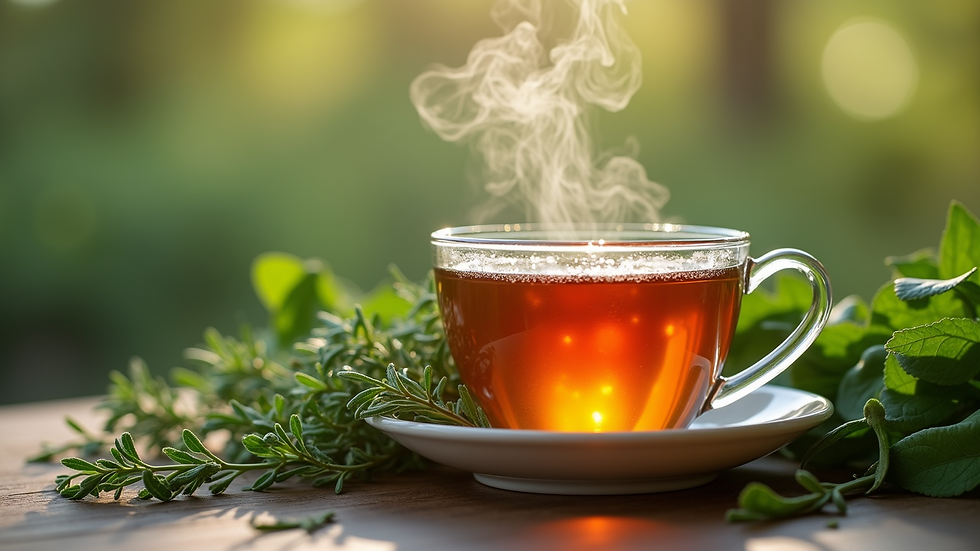
How to Brew the Perfect Herbal Tea at Home
- Charles Simmons
- Jan 23
- 4 min read

Herbal tea is more than just a warm beverage; it's a comforting ritual that can enhance your well-being. Whether you're seeking relaxation, a boost of energy, or simply a delightful flavor, brewing the perfect herbal tea at home can be a rewarding experience. In this guide, we will explore the steps to create your ideal cup of herbal tea, from selecting the right herbs to mastering the brewing process.

Understanding Herbal Tea
Herbal tea, often referred to as tisanes, is made from a variety of plants, including flowers, leaves, seeds, and roots. Unlike traditional tea, which comes from the Camellia sinensis plant, herbal teas can be caffeine-free and offer a wide range of flavors and health benefits.
Benefits of Herbal Tea
Health Benefits: Many herbal teas are known for their medicinal properties. For example, chamomile can aid digestion and promote sleep, while peppermint can help relieve headaches.
Variety of Flavors: With countless herbs available, the flavor profiles can range from sweet and floral to earthy and spicy.
Caffeine-Free Options: Herbal teas are a great alternative for those looking to reduce caffeine intake.
Selecting Your Herbs
Choosing the right herbs is crucial for brewing the perfect herbal tea. Here are some popular options to consider:
Common Herbal Ingredients
Chamomile: Known for its calming effects, chamomile is perfect for a relaxing evening tea.
Peppermint: This refreshing herb can aid digestion and invigorate your senses.
Ginger: A warming spice that can help with nausea and improve circulation.
Hibiscus: Offers a tart flavor and is rich in antioxidants.
Lemon Balm: A member of the mint family, it has a mild lemon scent and is known for its calming properties.
Sourcing Your Herbs
You can find herbs for your tea in various forms:
Loose Leaf: Provides the freshest flavor and allows for more control over the strength of your tea.
Tea Bags: Convenient and easy to use, but may not offer the same depth of flavor as loose leaf.
Dried Herbs: Available at health food stores or online, dried herbs can be stored for longer periods.
Brewing Techniques
Now that you have your herbs, it's time to brew. Here’s a step-by-step guide to help you create the perfect cup of herbal tea.
Step 1: Gather Your Supplies
You will need:
Fresh or dried herbs
A teapot or infuser
Water
A kettle
A timer
A cup
Step 2: Measure Your Herbs
The general guideline is to use:
1 teaspoon of dried herbs or 1 tablespoon of fresh herbs per cup of water. Adjust according to your taste preference.
Step 3: Heat the Water
Different herbs require different water temperatures:
Delicate herbs (like chamomile and lemon balm): Use water just below boiling (around 190°F or 88°C).
Robust herbs (like ginger and hibiscus): Boil water to 212°F (100°C).
Step 4: Steep the Tea
Pour the hot water over the herbs and let them steep:
Steeping Time:
- Delicate herbs: 5-7 minutes
- Robust herbs: 10-15 minutes
Step 5: Strain and Serve
After steeping, strain the herbs from the liquid. You can enjoy your tea as is or add enhancements like honey, lemon, or a splash of milk.
Flavor Enhancements
To elevate your herbal tea experience, consider adding these ingredients:
Honey: A natural sweetener that pairs well with most herbal teas.
Lemon: Adds brightness and can enhance the flavor of many herbs.
Spices: Cinnamon or cardamom can add warmth and complexity.
Milk or Cream: For a richer texture, especially with robust flavors.
Experimenting with Blends
Creating your own herbal tea blends can be a fun and creative process. Here are some ideas to get you started:
Calming Blend
Ingredients: Chamomile, lemon balm, and lavender.
Benefits: Promotes relaxation and helps with sleep.
Digestive Blend
Ingredients: Peppermint, ginger, and fennel.
Benefits: Aids digestion and soothes stomach discomfort.
Energizing Blend
Ingredients: Hibiscus, lemongrass, and green tea (if desired).
Benefits: Provides a refreshing boost of energy.
Storing Your Herbs
To maintain the freshness and potency of your herbs, follow these storage tips:
Keep them in a cool, dark place: Light and heat can degrade the quality of herbs.
Use airtight containers: Glass jars or sealed bags work well to keep moisture out.
Label your containers: This helps you keep track of what you have and when it was purchased.
Troubleshooting Common Issues
Even with the best intentions, things can go wrong. Here are some common issues and how to fix them:
Tea is Too Bitter
Solution: Reduce the steeping time or use fewer herbs next time.
Tea Lacks Flavor
Solution: Ensure you are using fresh herbs and the right water temperature. You might also want to increase the amount of herbs used.
Tea is Cloudy
Solution: This can happen with certain herbs. Straining the tea more thoroughly or using a coffee filter can help.
Conclusion
Brewing the perfect herbal tea at home is an art that combines the right ingredients, techniques, and a bit of creativity. By understanding the benefits of different herbs, mastering the brewing process, and experimenting with blends, you can create a delightful cup that suits your taste and needs.
So, gather your herbs, heat your water, and enjoy the soothing ritual of making herbal tea. Whether you’re looking for relaxation, energy, or simply a delicious drink, the perfect cup is just a brew away. Happy steeping!

Comments